
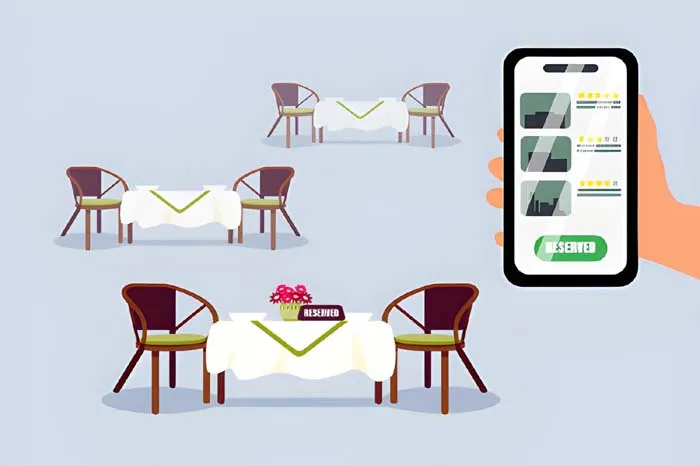
“Every empty table is lost revenue you can’t recover.”
If you run a small restaurant, you already know how frustrating no-shows can be. You prepare the table, schedule staff, and expect guests — but they never arrive.
This is not just a minor issue. It directly affects your daily profit.
The good news is that you can reduce restaurant no-shows significantly by using the right strategies and systems. In this guide, you’ll learn practical, real-world solutions that successful restaurants are already using.
Why Restaurant No-Shows Are a Serious Problem
No-shows don’t just leave tables empty — they create a chain reaction of problems.
Revenue Loss
Each missed booking means:
- Lost sales opportunities
- Wasted food preparation
- Lower daily revenue
Even a few no-shows per day can cost thousands per month.
Staff Inefficiency
Your team prepares for expected guests:
- Extra staff scheduled
- Kitchen workload planned
- Service flow disrupted
When customers don’t show up, resources go unused.
Peak Hour Damage
No-shows hurt most during busy hours.
You could have:
- Filled that table with walk-ins
- Served more customers
- Increased turnover
Instead, the table stays empty.
Common Reasons Customers Don’t Show Up
Understanding the problem is the first step to solving it.
1. Forgetfulness
Customers book days in advance and simply forget.
2. No Confirmation System
If customers don’t receive confirmation, they may assume the booking isn’t secured.
3. No Reminders
Without reminders, bookings are easily missed — especially during busy schedules.
4. Low Commitment
When there’s no deposit or accountability, customers feel less obligated to show up.
The key insight:
No-shows are often caused by weak booking systems, not bad customers.
Proven Strategies to Reduce Restaurant No-Shows
Let’s look at what actually works in real restaurants.
1. Automated Booking Confirmation
Always confirm bookings instantly.
A simple confirmation message:
- Builds trust
- Reduces confusion
- Reinforces commitment
2. Smart SMS & Email Reminders
Reminders are one of the most effective tools.
Best practice:
- Send 24 hours before
- Send 1–2 hours before
This alone can reduce no-shows dramatically.
3. Deposit or Pre-Booking System
For larger bookings, require:
- Small deposits
- Card details
This increases customer commitment and reduces last-minute cancellations.
4. Customer Tracking with CRM
A Customer CRM system helps you:
- Track repeat no-show customers
- Identify loyal guests
- Personalize communication
This builds long-term reliability.
How Smart Restaurants Are Solving This with Technology
Manual systems are no longer enough.
Modern restaurants are switching to automated reservation systems to control bookings and reduce no-shows.
Table Management Systems
A proper table management system allows you to:
- Track table availability in real time
- Avoid overbooking or underbooking
- Optimize seating efficiency
Online Booking Widget
A booking widget on your website makes reservations:
- Easy for customers
- Instant and accurate
- Fully automated
CRM Automation
CRM tools automatically:
- Send confirmations
- Trigger reminders
- Store customer history
Analytics Insights
Analytics show:
- No-show patterns
- Peak booking times
- Customer behavior trends
With this data, you can make smarter decisions.
Real Scenarios of a Small Café in Australia
Let’s take a real-world scenario.
A small café in Melbourne struggled with frequent no-shows, especially on weekends.
Before:
- Bookings managed manually
- No reminders sent
- No customer tracking
Result:
- Around 15% no-show rate
- Unpredictable revenue
- Wasted staff hours
After Implementing a Booking System:
They introduced:
- Online booking widget
- Automated SMS reminders
- Customer CRM tracking
Result:
- No-shows reduced by over 60%
- Peak-hour tables fully utilized
- Revenue stabilized
This is a common pattern across small restaurants using modern systems.
Key Features That Help Reduce No-Shows
Here are the essential tools every restaurant should have:
Table Management System
Keeps seating organized and prevents inefficiencies.
Customer CRM
Tracks guest behavior and improves retention.
Booking Widget
Allows customers to book instantly online.
Analytics Dashboard
Provides insights into booking trends and no-shows.
These features work together to create a reliable booking system.
Manual vs Automated Reservation System
| Feature | Manual System | Automated System |
| Booking tracking | Paper / Excel | Real-time dashboard |
| Reminders | Not available | Automated SMS/email |
| Customer data | Limited | Full CRM tracking |
| No-show control | Weak | Strong |
| Efficiency | Low | High |
The difference is clear. Automation gives you control.
Expert Insight
From industry experience, one trend is very clear:
Restaurants that adopt automation see better results.
In Australia, small restaurants using booking software report:
- Higher table occupancy
- Lower cancellation rates
- Better customer experience
Customer behavior has also changed.
Today’s customers expect:
- Instant booking confirmation
- Reminder notifications
- Easy cancellation options
If you don’t provide this, they may not prioritize your booking.
Turn Empty Tables into Revenue
No-shows are not unavoidable.
They are a system problem that can be fixed.
By using the right tools and strategies, you can:
- Reduce restaurant no-shows
- Improve booking reliability
- Maximize every table’s revenue
Want to learn how modern restaurants manage bookings more efficiently? Start by upgrading your reservation system.
Start your free trial with TableMash today and see how automation can reduce no-shows and increase your revenue.
FAQ Section
1. What is the best way to reduce restaurant no-shows?
Using automated booking systems with reminders and CRM tracking is the most effective method.
2. Do SMS reminders really work?
Yes. They significantly reduce no-shows by reminding customers before their booking time.
3. Should small restaurants use booking software?
Absolutely. It improves efficiency, reduces errors, and increases revenue.
4. How does CRM help reduce no-shows?
CRM tracks customer behavior, helping you identify patterns and improve communication.