
Restaurant Booking Trends in Australia: What Venue Owners Need to Know in 2026
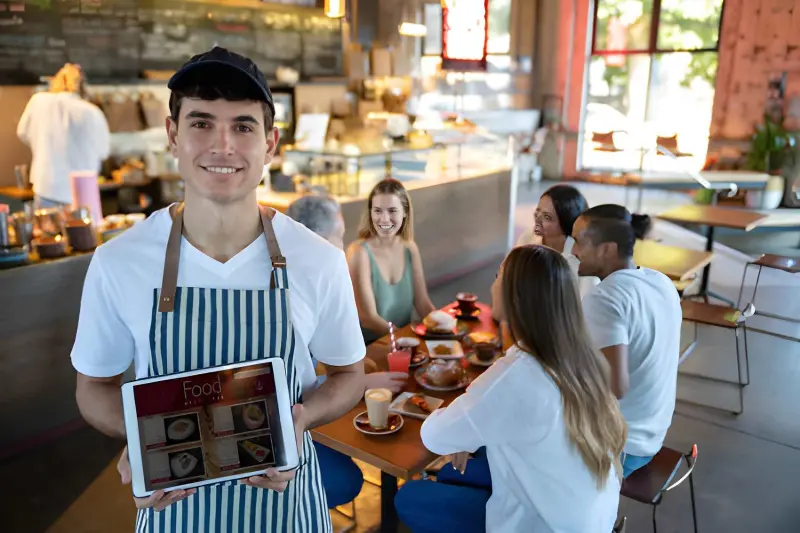
The Australian hospitality industry has experienced significant transformation over the past few years. From changing customer expectations to the rapid adoption of digital tools, restaurant operators are facing both new opportunities and new challenges. Today’s diners expect convenience, speed, personalization, and seamless experiences from the moment they search for a venue until they leave their table. Meanwhile, venue owners are under increasing pressure to manage staffing shortages, reduce no-shows, maximize capacity, and improve profitability. As we move through 2026, understanding the latest restaurant booking trends Australia is no longer optional—it’s essential for long-term success. In this guide, we’ll explore the most important hospitality trends Australia venue owners should pay attention to, how restaurant technology Australia is changing operations, and what practical steps restaurants, cafés, bars, and hospitality groups can take to stay competitive. Why Restaurant Booking Trends Matter More Than Ever For many Australian venues, bookings represent the foundation of operational planning. Reservations influence: Yet many venues still rely heavily on manual booking methods, scattered communication channels, and outdated reservation processes. The result? Modern booking systems are helping venues eliminate these challenges while creating smoother experiences for both staff and guests. Trend #1: Direct Online Bookings Continue to Grow Australian diners increasingly prefer booking directly through a restaurant’s website rather than making phone calls. Consumers want convenience and instant confirmation. Many guests now expect to: For venue operators, direct bookings provide significant advantages: Benefits of Direct Bookings Restaurants that prioritize direct booking experiences are often able to build stronger long-term relationships with guests while protecting their margins. Trend #2: AI Is Transforming Reservation Management Artificial intelligence is becoming one of the biggest developments in restaurant technology Australia. Guests increasingly expect immediate responses regardless of the time of day. However, most venues cannot answer every call during busy service periods. This is where AI-powered reservation technology is making a difference. How AI Is Helping Australian Restaurants AI systems can: Instead of replacing hospitality teams, AI is helping staff focus on delivering exceptional guest experiences inside the venue. For busy restaurants and bars, this technology is becoming a valuable operational advantage. Trend #3: Guest Experience Is Becoming More Personalised Modern diners expect more than simply securing a table. They expect personalized experiences. Guests increasingly appreciate venues that remember: Personalization helps venues build loyalty while creating memorable experiences that encourage repeat visits. Restaurants using customer relationship management tools are gaining deeper insights into guest behavior and spending patterns. This allows operators to create more targeted marketing campaigns and stronger guest relationships. Trend #4: Reducing No-Shows Is a Top Priority No-shows continue to be a major challenge across Australia’s hospitality sector. A single missed reservation can impact: Many venues are implementing smarter reservation strategies to reduce losses. Effective No-Show Reduction Methods Modern booking systems help automate these processes while reducing the administrative burden on staff. Trend #5: Data-Driven Decision Making Is Becoming Essential One of the most important hospitality trends Australia businesses are embracing is data-driven management. Successful venue operators no longer rely solely on intuition. They use booking data to understand: Key Metrics to Track These insights allow venue owners to make more informed decisions regarding staffing, promotions, events, and operational planning. Trend #6: Mobile Booking Is Now the Standard Consumers increasingly discover restaurants through mobile devices. As a result, booking systems must be mobile-friendly. Guests want to: Any friction during the booking process can lead potential customers to choose a competitor. Restaurants that optimize mobile booking experiences are seeing higher conversion rates and stronger guest satisfaction. Trend #7: Integrated Hospitality Technology Is Replacing Disconnected Systems One of the biggest shifts in restaurant technology Australia is the move toward integrated platforms. Many venues still manage operations across multiple disconnected tools. This often creates inefficiencies and data silos. Modern hospitality operators increasingly prefer centralized systems that combine: An integrated approach helps reduce manual work while providing greater operational visibility. Trend #8: Venue Operators Are Prioritizing Operational Efficiency Rising operational costs continue to impact hospitality businesses throughout Australia. Labour costs, food costs, and utility expenses remain significant challenges. As a result, venue owners are looking for ways to improve efficiency without compromising service quality. Key focus areas include: Technology is increasingly viewed not as an expense, but as an investment in long-term profitability. What These Trends Mean for Australian Restaurants, Cafés, and Bars The hospitality landscape is becoming increasingly competitive. Guests expect seamless digital experiences, while venue operators need tools that simplify complex operations. Restaurants that continue relying on manual processes may find it increasingly difficult to meet modern guest expectations. The venues seeing the strongest results are those embracing: These capabilities are helping operators improve efficiency while creating better experiences for guests. How TableMASH Supports Modern Hospitality Operations As booking trends continue evolving, many Australian venues are seeking solutions that centralize reservation management and simplify operations. TableMASH is designed specifically for hospitality businesses looking to: By combining reservation management, table management, guest engagement tools, analytics, and automation into a single platform, TableMASH helps restaurants, cafés, bars, and hospitality groups operate more effectively in today’s competitive market. Final Thoughts The future of hospitality belongs to venues that combine exceptional service with smart technology. The most important restaurant booking trends Australia businesses should watch in 2026 include direct booking growth, AI-powered reservations, personalized guest experiences, mobile-first booking journeys, integrated systems, and data-driven operations. At the same time, broader hospitality trends Australia continue to highlight the growing importance of operational efficiency and customer experience. For venue owners evaluating new tools, investing in modern restaurant technology Australia solutions can provide significant advantages in both guest satisfaction and business performance. As the industry evolves, the venues that adapt fastest will be best positioned to thrive in the years ahead. Ready to simplify bookings and improve venue performance? Discover how TableMASH helps Australian restaurants, cafés, bars, and hospitality groups streamline reservations, enhance guest experiences, and operate more efficiently with modern hospitality technology. This draft is structured for SEO, EEAT, topical authority, internal linking opportunities, and natural brand positioning without
How Restaurants in Australia Can Increase Repeat Customers
Proven strategies for boosting guest loyalty, reducing churn, and building a dining community that keeps coming back. Getting a new customer through your door is expensive. Running a Google ad, printing flyers, hiring an influencer for a sponsored post — the cost adds up fast. But the diner who booked with you three months ago and loved their experience? Bringing them back costs a fraction of that. Yet most Australian restaurants pour their energy into acquisition and almost nothing into retention. That’s the gap this guide addresses. Whether you run a bustling cafe in Fitzroy, a winery restaurant in the Barossa Valley, a rooftop bar in Brisbane, or a multi-venue hospitality group across Sydney — the principles for increasing repeat customers are consistent, and they’re more achievable than most operators realise. 1. Why Restaurant Customer Retention Is the Real Growth Lever There’s a metric that rarely gets discussed openly in Australian hospitality circles: most full-service restaurants see roughly 60–70% of their customers visit only once. That’s not a guess — it’s a pattern that emerges consistently when venues start tracking reservation history properly for the first time. Think about what that means operationally. Your team delivered a great meal, the service was warm, the customer left satisfied — and then they’re gone. Not because they disliked the experience. Simply because no one followed up, nothing pulled them back, and the next time they thought about dinner plans, a different venue caught their eye on Instagram. The numbers behind retention tell a compelling story. Acquiring a new customer costs roughly five times more than keeping an existing one. Repeat diners spend on average 67% more per visit than first-timers. A 5% improvement in customer retention can lift profits by anywhere from 25% to 95%, according to research from Bain & Company. And in most restaurants, around 80% of future revenue comes from just 20% of the current customer base. The compounding effect of repeat diners is enormous. A table of four who visits your restaurant twice a month contributes more revenue annually than a different four-top every single weekend. And they’re more likely to bring new guests, write glowing reviews, and be forgiving on the occasional off-night. For venues across Australia — from the laneway bars of Melbourne to the waterfront restaurants of Perth — building a loyal dining community is genuinely the most sustainable path to long-term profitability. 2. The Data Gap Most Aussie Venues Are Living With Here’s a conversation that happens in hospitality businesses across Australia every week: the owner asks their floor manager, “Who are our regulars?” The manager names five or six people. The owner nods. And that’s as deep as customer intelligence goes. The reality is that most venues have no reliable way to answer basic questions like: How many customers have visited more than three times in the last six months? Which guests haven’t been back in 60 days who used to come monthly? What’s the average time between a customer’s first and second visit? Which special events or promotions drove repeat bookings? Without answers to these questions, your marketing is essentially guesswork. You’re spending money on broad campaigns when you could be running targeted outreach to guests who are 80% likely to return if you just gave them the right nudge at the right moment. The restaurant that knows its guests outperforms the restaurant that doesn’t — every single time. Not because they’re fancier or cheaper, but because they make people feel remembered. This data gap is entirely solvable. The foundation is a proper online restaurant reservation system that captures guest details at the point of booking — not just a name and phone number, but visit history, dining preferences, dietary requirements, special occasions, and spend patterns over time. 3. How Your Reservation System Becomes a Retention Engine A lot of hospitality operators in Australia think of their restaurant booking software as a logistical tool — something that prevents double bookings and sends confirmation texts. That view dramatically undersells what a modern reservation platform can do for your repeat business. When your booking system is properly set up, every reservation becomes a data point in a guest’s profile. The first time Emma books your wine bar for her birthday, that’s captured. When she comes back for a team dinner three months later, her profile updates. When she books again for a date night using a different email, smart deduplication logic connects those records. Over time, you build a detailed, living picture of your guest — without any extra effort from your floor staff. What Reservation History Tracking Unlocks Reservation history tracking transforms static booking data into actionable guest intelligence. Visit frequency analysis lets you identify who your true regulars are versus occasional visitors. Lapsed guest detection automatically flags people who haven’t returned within their typical window. Occasion awareness tells you when a guest’s birthday or anniversary is approaching based on previous bookings. Preference capture lets your team note seating preferences, dietary requirements, and favourite wines or cocktails. Spend profiling helps you understand which guests drive the highest average revenue per cover. When your front-of-house team can glance at an arriving guest’s profile and see “third visit, last time had the tasting menu, prefers window seating, birthday is next month” — that’s when hospitality becomes genuinely personal. It’s the kind of detail that turns a good experience into a memorable one. The table booking software you choose directly determines how much of this is possible. Basic systems capture names and times. Advanced platforms build comprehensive guest databases that become increasingly valuable the longer you use them. 4. Restaurant CRM Software: Beyond the Spreadsheet Many venues still manage their guest database in a spreadsheet or, worse, in the memory of their longest-serving staff member. Both are fragile. When your head waiter leaves, they take years of accumulated guest knowledge with them. When the spreadsheet gets too unwieldy to maintain, it gets abandoned. Restaurant CRM software solves this by creating a centralised, searchable, automatically updated
How to Set Up Online Reservations for Your Restaurant

Introduction If you’re still taking bookings through phone calls or handwritten notes, you’re already losing customers. Many small restaurant owners face the same issue: The truth is simple. Customers today expect fast and easy online booking. If you don’t offer it, they move to a competitor who does. In this guide, you’ll learn how to set up online reservations for your restaurant step by step — in a simple, practical way. No technical background needed. Why Manual Booking Is Hurting Your Restaurant Manual systems might feel manageable at first. But as your restaurant grows, they become a problem. Common issues: Over time, this leads to: This is why many owners are searching for a simple online reservation system for restaurants. Why Setting Up Online Reservations Matters Moving to an online system is not just a trend — it’s a business upgrade. Benefits include: Restaurants using digital booking systems report: Step-by-Step: How to Set Up Online Reservations for Restaurant This is the most important section. Follow these steps to set up your system correctly. Step 1: Choose the Right Reservation System Start with a tool designed for small restaurants. Look for: This is where a platform like TableMash becomes useful — it’s designed specifically for small restaurant operations. Step 2: Set Up Your Table Management System Before accepting bookings, define your seating layout. You need to: A good table management system for restaurants helps you: Step 3: Add an Online Booking Widget Next, make it easy for customers to book. Add a booking widget to your: This allows customers to: This is the best way to take restaurant reservations online today. Step 4: Enable Confirmation & Reminder System This step is critical if you want to reduce no-shows. Set up: This helps: Step 5: Activate Customer CRM Tracking A customer CRM for restaurants allows you to: Over time, this improves customer loyalty and booking behavior. Step 6: Use Analytics to Optimize Bookings Once your system is live, track performance. Look at: With analytics, you can: Common Mistakes to Avoid Even with the right system, mistakes can happen. Avoid these: These mistakes lead to chaos and lost revenue. Real Scenario of Small Restaurant in Australia A small restaurant in Brisbane relied on phone bookings. Before: Result: After switching to an online reservation system: They implemented: Result: This shows how powerful the right system can be. Manual vs Online Reservation System Feature Manual Booking Online Reservation System Booking process Phone / notebook Automated Availability Limited hours 24/7 Reminders None Automated Customer tracking Not available CRM system Efficiency Low High 👉 The difference is clear. Online systems give you control and scalability. Expert Insight From industry experience, one thing is clear: Restaurants that adopt online booking systems grow faster. Why? Because they: Customer behavior has also changed. Today’s diners prefer: If your system doesn’t provide this, they move on. Make Booking Simple and Scalable Setting up online reservations is not complicated. But it is essential. If you want to: Then you need a proper system. Start by exploring how online reservation systems work and how they can simplify your restaurant operations. Try TableMash today and set up your online reservation system in minutes. Book a free demo and see the difference. FAQ Section 1. How do I set up online reservations for a small restaurant? Use a simple booking system, set up tables, add a booking widget, and enable reminders. 2. What is the best way to take restaurant reservations online? Using an automated booking system with CRM and reminders is the most effective way. 3. Can I add a booking system to my website easily? Yes, most systems provide a booking widget that can be added without technical skills. 4. How do I avoid overbooking in restaurants? Use a table management system that tracks real-time availability. 5. How to manage restaurant bookings online efficiently? Use a centralized system with automation, CRM tracking, and analytics.
How Small Restaurants Can Reduce No-Shows
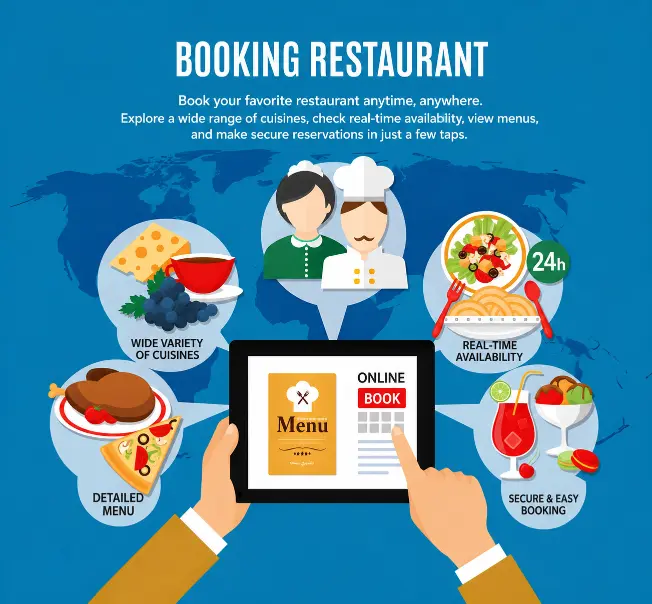
“Every empty table is lost revenue you can’t recover.” If you run a small restaurant, you already know how frustrating no-shows can be. You prepare the table, schedule staff, and expect guests — but they never arrive. This is not just a minor issue. It directly affects your daily profit. The good news is that you can reduce restaurant no-shows significantly by using the right strategies and systems. In this guide, you’ll learn practical, real-world solutions that successful restaurants are already using. Why Restaurant No-Shows Are a Serious Problem No-shows don’t just leave tables empty — they create a chain reaction of problems. Revenue Loss Each missed booking means: Even a few no-shows per day can cost thousands per month. Staff Inefficiency Your team prepares for expected guests: When customers don’t show up, resources go unused. Peak Hour Damage No-shows hurt most during busy hours. You could have: Instead, the table stays empty. Common Reasons Customers Don’t Show Up Understanding the problem is the first step to solving it. 1. Forgetfulness Customers book days in advance and simply forget. 2. No Confirmation System If customers don’t receive confirmation, they may assume the booking isn’t secured. 3. No Reminders Without reminders, bookings are easily missed — especially during busy schedules. 4. Low Commitment When there’s no deposit or accountability, customers feel less obligated to show up. The key insight:No-shows are often caused by weak booking systems, not bad customers. Proven Strategies to Reduce Restaurant No-Shows Let’s look at what actually works in real restaurants. 1. Automated Booking Confirmation Always confirm bookings instantly. A simple confirmation message: 2. Smart SMS & Email Reminders Reminders are one of the most effective tools. Best practice: This alone can reduce no-shows dramatically. 3. Deposit or Pre-Booking System For larger bookings, require: This increases customer commitment and reduces last-minute cancellations. 4. Customer Tracking with CRM A Customer CRM system helps you: This builds long-term reliability. How Smart Restaurants Are Solving This with Technology Manual systems are no longer enough. Modern restaurants are switching to automated reservation systems to control bookings and reduce no-shows. Table Management Systems A proper table management system allows you to: Online Booking Widget A booking widget on your website makes reservations: CRM Automation CRM tools automatically: Analytics Insights Analytics show: With this data, you can make smarter decisions. Real Scenarios of a Small Café in Australia Let’s take a real-world scenario. A small café in Melbourne struggled with frequent no-shows, especially on weekends. Before: Result: After Implementing a Booking System: They introduced: Result: This is a common pattern across small restaurants using modern systems. Key Features That Help Reduce No-Shows Here are the essential tools every restaurant should have: Table Management System Keeps seating organized and prevents inefficiencies. Customer CRM Tracks guest behavior and improves retention. Booking Widget Allows customers to book instantly online. Analytics Dashboard Provides insights into booking trends and no-shows. These features work together to create a reliable booking system. Manual vs Automated Reservation System Feature Manual System Automated System Booking tracking Paper / Excel Real-time dashboard Reminders Not available Automated SMS/email Customer data Limited Full CRM tracking No-show control Weak Strong Efficiency Low High The difference is clear. Automation gives you control. Expert Insight From industry experience, one trend is very clear: Restaurants that adopt automation see better results. In Australia, small restaurants using booking software report: Customer behavior has also changed. Today’s customers expect: If you don’t provide this, they may not prioritize your booking. Turn Empty Tables into Revenue No-shows are not unavoidable. They are a system problem that can be fixed. By using the right tools and strategies, you can: Want to learn how modern restaurants manage bookings more efficiently? Start by upgrading your reservation system. Start your free trial with TableMash today and see how automation can reduce no-shows and increase your revenue. FAQ Section 1. What is the best way to reduce restaurant no-shows? Using automated booking systems with reminders and CRM tracking is the most effective method. 2. Do SMS reminders really work? Yes. They significantly reduce no-shows by reminding customers before their booking time. 3. Should small restaurants use booking software? Absolutely. It improves efficiency, reduces errors, and increases revenue. 4. How does CRM help reduce no-shows? CRM tracks customer behavior, helping you identify patterns and improve communication.
Restaurant Waitlist & Reservation System Cost
Running a restaurant today isn’t just about great food—it’s about managing demand, reducing wait times, and maximising every seat. One of the biggest decisions Australian restaurant owners face is choosing the right reservation or waitlist system—and more importantly, understanding how much it actually costs. If you’ve researched tools like OpenTable or similar platforms, you’ve probably noticed pricing can vary widely. Some charge monthly fees, others take commissions per booking, and many include hidden costs that only become clear after you scale. This guide breaks down real pricing, real-world examples, and the hidden costs most platforms don’t talk about—so you can make the right decision for your restaurant. How Much Does a Restaurant Reservation System Cost? In Australia, the cost of a restaurant reservation system typically falls into three tiers: Typical Pricing Range: However, that’s only part of the story. Platforms like OpenTable use a hybrid pricing model: That means if your restaurant seats 100 guests per night, costs can quickly exceed $3,000/month in high-volume scenarios So while the headline price looks affordable, actual cost depends heavily on usage and booking volume. Reservation System vs Waitlist Software: What’s the Difference? Most restaurants assume reservation systems are enough—but in reality, they only solve part of the problem. Reservation Systems: ⏱ Waitlist Systems: Key Insight: During busy hours, walk-in demand often exceeds reservations—and without a waitlist system, restaurants lose customers. This is where TableMash.com stands out. Instead of focusing only on bookings, it combines: Giving you control over both planned and spontaneous demand. What Affects the Cost of Restaurant Software? Not all systems are priced equally. Here are the key factors that influence cost: 1. Booking Volume & Covers Many platforms charge per cover (per guest).This means the more successful your restaurant becomes, the more you pay. Example: This model penalises growth. 2. Features & Functionality Basic systems are cheaper—but limited. Advanced features that increase cost include: Platforms like OpenTable include automation, integrations, and marketing tools to help increase bookings and reduce no-shows 3. Integrations Modern restaurants rely on multiple tools: Integration improves efficiency—but often comes at an additional cost. 4. Contracts & Hidden Fees Many providers require: These “hidden costs” are rarely advertised upfront. Pricing Models Explained: Flat Fee vs Commission Understanding pricing models is the most important decision you’ll make. Flat Fee Model Best for growing restaurants Commission-Based Model Sounds fair—but becomes expensive quickly Real Example: A restaurant using a commission model: Total = $3,000/month Key Insight: Commission models align with platform growth—not yours. Why TableMash Takes a Different Approach At TableMash.com, the focus is: So your success doesn’t increase your costs unnecessarily. Total Cost of Ownership (TCO): What You’re Really Paying Most restaurants only look at subscription fees—but the real cost includes: Hidden Cost Factors: Example Comparison: Cost Factor Commission Model Flat Fee Model Monthly fee $200 $300 Per guest fee $2 × 2,000 = $4,000 $0 Total $4,200 $300 👉 Over a year, that’s a $46,800 difference The Hidden Cost of NOT Using a Waitlist System This is where most restaurants lose money—without even realising it. Walkaway Problem Customers don’t like uncertainty. If they: They leave. Real Impact: If 20 customers leave during peak hours: Multiply that across a month:$20,000+ lost revenue Insight: A waitlist system isn’t just operational—it’s revenue protection. Customer Psychology: Why People Hate Waiting Understanding customer behavior is key to reducing walkaways. What frustrates customers most: Perceived vs Actual Wait Time Research in hospitality shows:People tolerate waiting better when they are informed What works: These small changes significantly improve: How Waitlist Systems Increase Revenue A good waitlist system doesn’t just manage queues—it drives revenue. 1. Faster Table Turnover Efficient seating = more covers per night 2. Pre-Seating Upselling While customers wait: 3. Reduced Walkaways Engaged customers are less likely to leave Platforms like OpenTable highlight that optimised systems can increase bookings and improve operational efficiency TableMash Advantage TableMash focuses on: Restaurant Software Cost in Australia Australia’s restaurant industry has unique challenges: Local Pricing Trends: Many small and mid-sized restaurants find traditional systems too expensive for their scale Key Local Insight: Restaurants in cities like Sydney and Melbourne: Making waitlist systems essential—not optional Comparison of Popular Reservation Systems Here’s how major platforms compare: Platform Pricing Model Key Issue OpenTable Subscription + per cover Expensive at scale SevenRooms High monthly fee Enterprise-focused TheFork Commission-based Margin impact ResDiary Subscription-based Limited waitlist focus Key Takeaway: Most systems focus on: But NOT: Is Restaurant Software Worth It? Yes—but only if you choose the right system. Benefits: Risks: Smart Decision: Choose software that: FAQs How much does restaurant software cost in Australia? Typically $30–$700/month, but commission models can exceed $3,000/month depending on usage. What is better: flat fee or commission? Flat fee is more predictable and cost-effective for growing restaurants. Do waitlist systems increase revenue? Yes. They reduce walkaways, improve turnover, and enable pre-seating sales. What features should I look for? Final Thoughts: Choosing the Right System The biggest mistake restaurant owners make is choosing software based on price alone. The real question is: Will this system help me make more money—or just manage bookings?